Table Of Content

Once your hair follicle has been stretched or split as a result of a cosmetic hair treatment, the structure of the hair follicle is compromised. The medication works by prolonging the growth phase of hair, giving your hair more time to grow out. Hair usually regrows when your hormones get back to normal.
Female-pattern baldness
In addition to losing hair on the scalp, some people with alopecia areata lose hair from their eyebrows, eyelashes, or other parts of the body. Male pattern baldness typically involves progressive hair loss above the temples and thinning at the crown of the head, creating an “M” shape. Hair loss related to androgenic alopecia tends to happen gradually. While some people might experience hair loss as early as puberty, others might not notice symptoms until their middle ages. The search for causes and potential treatments by people experiencing hair loss is understandable.
Vitamin D Deficiency
This means the hair has gone through a complete cycle of growth, suggesting that the cycle may have sped up due to stress. Chemotherapy, certain other drugs and radiation treatments can prompt hair loss, mainly in the growth phase. It is typically temporary (unless the follicles are damaged). Hair with plenty of volume, movement, and shine is what most people consider healthy.
Top Reads in Health Education
Hormone changes during menopause can also contribute to this type of baldness. Any information you can provide about how quickly the hair loss occurred, along with any family history of baldness, will also be helpful. Hair transplant surgery involves moving small plugs of skin, each with a few hairs, to bald parts of your scalp. Traction alopecia results from too much pressure and tension on the hair, often from wearing it in tight styles, like braids, ponytails, or buns. The main symptom of alopecia is losing more hair than usual, but this can be harder to identify than you might think.
However, some individuals will experience further hair loss. This usually isn't noticeable because new hair is growing in at the same time. Hair loss occurs when new hair doesn't replace the hair that has fallen out. Before pursuing hair loss treatment, talk with your doctor about the cause of your hair loss and treatment options. Hormonal birth control like oral contraceptives, implants, injections, vaginal rings, and patches can trigger hair loss if you have a history of it in your family.
And early treatment of alopecia may reduce the speed of thinning and promote regrowth. A healthcare provider can tell you more about what to expect in your situation. An excessive amount of hair fallout is known as telogen effluvium. This can have many causes, including medical conditions, physical and psychological causes, and certain medications.
How is hair loss diagnosed?
Over time, hair growth slows down and hair follicles eventually stop growing hair altogether. These two things in combination cause hair on the head to thin and recede. By the age of 35, two-thirds of American men will experience some degree of hair loss. Among menopausal women, about two-thirds experience hair thinning or bald spots. This is the name for hair loss caused by medications that harm your hair follicles. Radiation and chemotherapy treatments for cancer can be toxic to follicles, causing your hair to fall out within the first few weeks after you start treatment.
Rosemary Oil For Hair: Benefits, Side Effects, and How to Use It - Women's Health
Rosemary Oil For Hair: Benefits, Side Effects, and How to Use It.
Posted: Wed, 20 Mar 2024 07:00:00 GMT [source]
You’re on Certain Meds
You might notice your part is getting wider or that more of your scalp is poking through your ‘do. At any given moment, each hair on your head is at a different point of that cycle. Some people may choose to use a scalp concealer, hair topper, or other product to cover hair loss. Certain medications have side effects that can cause hair to fall out. Always talk to a healthcare provider before discontinuing any medication. Telogen effluvium is common, seen more frequently in women, and usually happens two to three months after a triggering event.
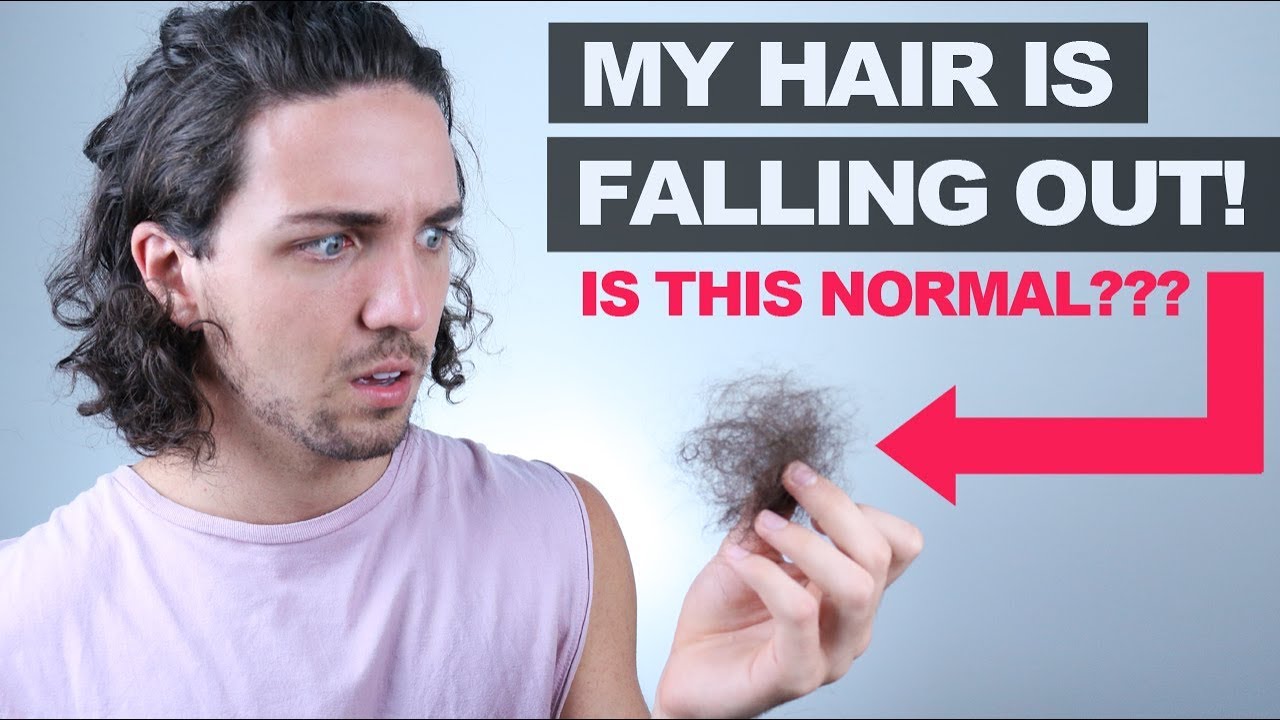
Both hyperthyroid disorder (an overactive thyroid gland) and hypothyroid disorder (a sluggish thyroid) can lead to excessive shedding. Have you suddenly noticed gobs of hair clogging your hairbrush and shower drain? Or maybe your once-lustrous locks are looking a little sparse.
Hims Review, 2024: Does This Stuff Actually Regrow Hair? - GQ
Hims Review, 2024: Does This Stuff Actually Regrow Hair?.
Posted: Tue, 16 Jan 2024 08:00:00 GMT [source]
According to the American Academy of Dermatologists, it’s normal to lose anywhere from 50 to 100 strands of hair per day. For people with longer hair strands, losing them may be more noticeable. Since there are 100,000 hair follicles — or more — on each person’s scalp, the loss of 100 or so hair strands a day doesn’t make a big difference in appearance. Sometimes hair loss is a sign of a condition called hyperandrogenism, which happens when your body makes too many androgens (male hormones).
If traction alopecia continues, a person may develop patches of hair loss and thinning of the hair. If a doctor suspects a medication is causing hair loss, they may prescribe a lower dose or switch medications. Hair loss is a symptom of more than 30 diseases, including polycystic ovary syndrome, ringworm on your scalp, thyroid disorders, and autoimmune diseases. You can also lose hair when you have the flu, a high fever, or an infection.
When this occurs, as much as 70% of scalp hair can fall out, often in handfuls, around two months after the trigger. That being said, increased hair loss can happen, and the increase in hair loss can often be subtle. “Sadly, by the time most people realize they have more than normal hair loss, approximately 50% of the hair has reduced,” says Dr. Allenby. That’s why it’s best to be observant of the amount of hair you’re shedding (but try not to obsess over it). Here are some clear signs you’re losing too much hair to watch out for.
The right hair loss treatment for you will depend on what’s causing your hair loss. The best way to pick a great treatment plan is to talk with your doctor about your hair loss concerns. A doctor or dermatologist can help determine what’s causing your hair loss and recommend a treatment plan based on your medical history and symptoms. Traction alopecia is a type of mechanical hair loss that happens when the hair follicles undergo repeated pulling or tension.
Don't take any supplement before checking with your doctor. They may interact with other medications or supplements you take. It's most often temporary, but sometimes it can last for months or years. The only way to treat poison-induced hair loss is to diagnose what poison you have been exposed to.
But excessive shedding — known in medical terms as telogen effluvium — is often a sign that something’s up. While hair loss isn’t itself dangerous, losing your hair is an emotional experience. Unwanted changes to your appearance can influence your self-esteem and social life. Some people find comfort in talking with a mental health professional if their hair loss causes discomfort. Others may find relief in changing their hairstyle or wearing a wig. These changes happen due to varying levels of hormones during menopause.
Traction alopecia is a type of hair loss that's brought on by the way you style your hair. Hairstyles like cornrows, braids, or tight ponytails can cause it. Some signs of traction alopecia include hair loss in patches where the hair was pulled and shorter strands of hair near the forehead.